Plight Regular: A Magical Display Font That Elevates Your Creative Projects
If you're looking for a font that adds a touch of elegance and enchantment to your designs, Plight Regular is an excellent choice. This magical display font is carefully crafted to stand out in any creative project, whether it's for branding, marketing materials, or digital content. Its unique design elements make it ideal for capturing attention while maintaining readability.
What Is Plight Regular?
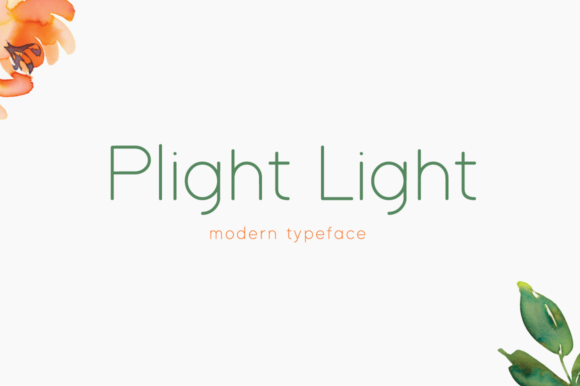
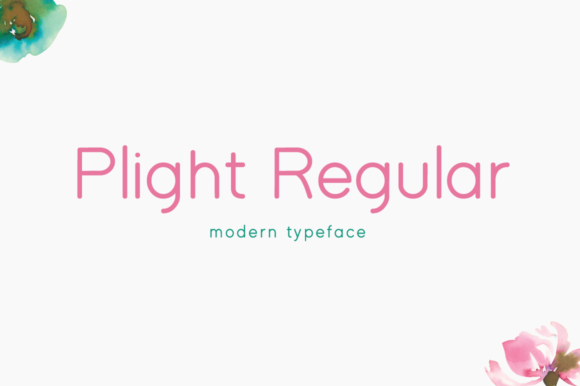
Plight Regular is a display font that blends modern aesthetics with classic charm. It features elegant curves, delicate strokes, and a balanced structure that makes it suitable for both print and digital media. Unlike standard sans-serif or serif fonts, this typeface offers a distinct personality that can transform ordinary text into something truly special.
Designers, marketers, and creatives often choose Plight Regular because of its versatility. It works well for headlines, logos, invitations, and even packaging. The font’s subtle details ensure it remains legible even at smaller sizes, making it a practical yet stylish option.
Common Mistakes When Using Plight Regular
While Plight Regular is a beautiful font, there are common mistakes people make when choosing or using it. These errors can affect the overall look and effectiveness of your design.
1. Overusing the Font
One of the most frequent mistakes is using Plight Regular too frequently in a single design. Because it’s a display font, it should be reserved for headings or key messages rather than body text. Overuse can lead to visual clutter and reduce the impact of your message.
Better Approach: Use Plight Regular sparingly, such as for titles, taglines, or call-to-action buttons. Pair it with a more readable font like Arial or Helvetica for body copy to maintain clarity and balance.
2. Ignoring Kerning and Spacing
Kerning refers to the spacing between individual letters. With display fonts like Plight Regular, proper kerning is essential to ensure the text looks polished and professional. Incorrect spacing can make your design appear unrefined or even unprofessional.
Better Approach: Always check the spacing manually or use a font editor tool to adjust kerning if needed. Many design software programs offer automatic adjustments, but it’s still wise to review the final layout before publishing.
3. Not Checking Compatibility
Before downloading or purchasing Plight Regular, it’s important to verify that it will work across all the platforms and devices where it will be used. Some fonts may not render correctly on certain operating systems or web browsers, which can lead to unexpected results.
Better Approach: Test the font on different devices and platforms before finalizing your project. If you're using it online, consider embedding the font or using web-safe alternatives to ensure consistent appearance across all user experiences.
What to Check Before Using Plight Regular
To ensure that Plight Regular meets your needs and enhances your project, consider the following factors before making a decision:
- Licensing: Make sure you have the right to use the font for your intended purpose, especially if you're working on commercial projects.
- File Formats: Check what file formats are available (e.g., TTF, OTF, WOFF) and ensure they are compatible with your design tools and platforms.
- Font Weight and Style: While Plight Regular is a specific weight, confirm if there are other weights or styles available that might better suit your needs.
- User Reviews: Read reviews from other users to get insights into how the font performs in real-world scenarios and any potential issues they may have encountered.
Practical Tips for Using Plight Regular Effectively
To maximize the benefits of Plight Regular, follow these practical tips:
- Use It for Headlines: Let the font shine by using it for main headlines or subheadings where it can draw attention without overwhelming the reader.
- Pair with Complementary Fonts: Choose fonts that complement Plight Regular in terms of style and tone. For example, pairing it with a clean sans-serif font can create a balanced and professional look.
- Experiment with Sizes: Play around with different sizes to see how the font looks at various scales. This can help you find the perfect size for your specific application.
- Limit Color Usage: While Plight Regular can be used in different colors, avoid using too many colors in one design. Stick to a cohesive color palette to maintain visual harmony.
Plight Regular is more than just a font—it’s a powerful design tool that can elevate your creative projects. By avoiding common mistakes and using it wisely, you can ensure that your designs look professional, elegant, and visually appealing. Whether you're a beginner or an experienced designer, taking the time to understand how to best use Plight Regular can make a big difference in your work.