Twiggy: A Versatile and Expressive Display Font for Modern Design
Twiggy is a handcrafted display font that brings a unique blend of charm, elegance, and character to any design project. With its playful yet refined appearance, it stands out as a go-to choice for designers looking to add personality to headlines, logos, and other visual elements. Its versatility makes it suitable for both digital and print applications, ensuring consistent quality across different mediums.
What Makes Twiggy Distinct?
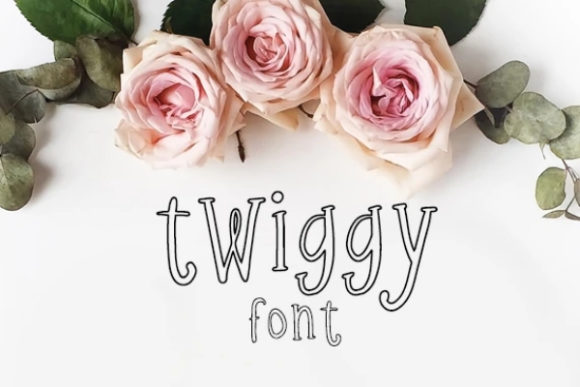
Twiggy’s appeal lies in its distinctive letterforms, which combine soft curves with subtle stylization. The font has a light, airy feel that evokes a sense of whimsy without sacrificing readability. Each character is carefully crafted to maintain legibility even at smaller sizes, making it an excellent option for both large-scale headlines and more compact text blocks.
One of the standout features of Twiggy is its ability to adapt to various design contexts. Whether used in a minimalist layout or paired with bold colors and patterns, it maintains a balanced presence. This adaptability allows it to be a reliable choice for a wide range of creative projects, from branding materials to editorial designs.
How Does Twiggy Compare to Similar Fonts?
When considering alternatives to Twiggy, it's important to evaluate how well they align with specific design goals. Fonts like Quicksand, Lora, and Playfair Display are often compared due to their similar use cases, but each has distinct characteristics.
Quicksand, for example, offers a modern, geometric look that works well for digital interfaces. While it is highly readable and clean, it lacks the whimsical flair that Twiggy provides. On the other hand, Lora is known for its elegant serifs and is often used in long-form content. However, its traditional style may not be ideal for more contemporary or playful designs.
Playfair Display is another popular choice for headlines, offering a sophisticated and decorative feel. While it shares some similarities with Twiggy in terms of elegance, Playfair Display tends to have a more formal tone, making it less suitable for casual or youthful branding efforts.
Twiggy, by contrast, strikes a balance between playfulness and professionalism. It can be used to create a friendly and approachable brand image while still maintaining a level of sophistication that appeals to a broader audience.
Best-Fit Situations for Using Twiggy
Twiggy shines in scenarios where a touch of personality is needed without compromising clarity. Here are some common use cases where it excels:
- Headlines and Subheadings: Its expressive nature makes it ideal for drawing attention to key messages in articles, presentations, or marketing materials.
- Logos and Branding: The font’s unique character helps create memorable brand identities that stand out from the competition.
- Editorial Designs: When used in moderation, Twiggy can enhance the visual appeal of magazines, newsletters, or blog posts.
- Web and Mobile Interfaces: Its legibility ensures that it remains effective on screens of all sizes, making it a solid choice for digital content.
However, it's worth noting that Twiggy may not be the best fit for every situation. For instance, it might not be suitable for body text in long documents due to its stylized forms, which could lead to eye fatigue over extended reading sessions.
Strengths and Tradeoffs of Using Twiggy
The primary strength of Twiggy is its ability to convey emotion and personality through typography. This makes it particularly valuable for projects that aim to connect with audiences on a more personal level. Its handcrafted nature also adds a unique touch that machine-generated fonts often lack.
On the flip side, the same stylistic features that make Twiggy appealing can also be a drawback in certain contexts. For example, in highly technical or formal environments, the font’s playful aesthetic might not align with the desired tone. Additionally, because it is a display font, it may require more careful spacing and alignment to ensure optimal visual impact.
Designers should also consider licensing requirements when using Twiggy. Like many premium fonts, it may come with restrictions on commercial use or require proper attribution, depending on the provider.
Realistic Examples of Twiggy in Action
To better understand how Twiggy performs in real-world scenarios, consider the following examples:
- Casual Blog Header: A lifestyle blog titled “The Daily Grind” could use Twiggy for its main heading to create a warm and inviting atmosphere.
- Children’s Book Illustration: The font’s playful nature would complement illustrations aimed at young readers, helping to reinforce the theme of fun and imagination.
- Restaurant Menu: A café with a retro vibe could use Twiggy for menu headings to evoke nostalgia while maintaining a modern edge.
In these examples, Twiggy successfully enhances the overall aesthetic without overshadowing the content itself. It serves as a visual accent rather than the focal point, allowing the message to remain clear and engaging.
When to Choose Twiggy and When to Consider Alternatives
Twiggy is an excellent choice when the goal is to inject warmth, creativity, or a sense of fun into a design. It works particularly well in industries such as fashion, food, entertainment, and lifestyle, where emotional connection plays a significant role.
However, if the project requires a more neutral or professional tone, a sans-serif or serif font might be more appropriate. In such cases, fonts like Helvetica Neue, Garamond, or Roboto could serve as viable alternatives that prioritize clarity and consistency.
Ultimately, the decision to use Twiggy should be based on the specific needs of the project. By evaluating factors such as target audience, brand identity, and design context, designers can determine whether this font will enhance or detract from their overall vision.