Torta: A Versatile Display Font for Modern Design Workflows
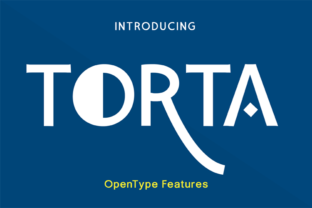
Torta is a simple and casual display font that brings a clean, professional aesthetic to both formal and informal design projects. Its neat letterforms and balanced structure make it an excellent choice for designers looking to enhance visual communication without compromising readability. Whether you're working on branding materials, digital interfaces, or print media, Torta can be a valuable asset in your creative toolkit.
Understanding the Role of Torta in Design Projects
Fonts play a crucial role in how information is perceived and processed. Torta stands out due to its minimalist yet elegant character arrangement, which ensures clarity across various mediums. This makes it particularly useful in scenarios where legibility and visual appeal are equally important.
Incorporating Torta into your design workflow begins with understanding its strengths. It is especially effective for headings, titles, and short bursts of text where impact matters more than dense content. Its casual nature also makes it suitable for projects that aim to convey approachability and simplicity.
When to Use Torta in Your Workflow
Torta can be integrated at different stages of a project. Before starting a new design, consider using it as a reference point for typography choices. During the creation phase, apply it to key elements like headlines or call-to-action buttons. After finalizing the design, ensure that Torta complements other typographic elements and maintains consistency throughout the piece.
- Pre-Design: Use Torta to set a tone for the overall project aesthetics.
- During Design: Apply it to prominent text elements for emphasis and clarity.
- Post-Design: Review how Torta interacts with other fonts and adjust if necessary.
Integrating Torta with Other Tools and Resources
The effectiveness of Torta can be amplified when paired with complementary tools and resources. For instance, using it alongside a sans-serif font for body text can create a harmonious contrast that guides the viewer's eye naturally through the content.
Designers often use tools like Adobe Illustrator or Photoshop to experiment with different font pairings. In these environments, Torta can serve as a primary font for headings while a secondary font handles body copy. This combination ensures that the design remains visually engaging without overwhelming the reader.
Compatibility and Usability Considerations
Before committing to Torta for a specific project, evaluate its compatibility with existing assets. Ensure that it works well with your color palette, layout, and overall brand identity. Testing it in various contexts—such as mobile screens, print layouts, and web banners—can help identify any potential issues early on.
Additionally, consider the file formats available for Torta. Web-safe formats like WOFF or TTF are essential for ensuring that the font displays correctly across different platforms and devices. If you're working on a large-scale project, having access to high-resolution versions will be beneficial for print production.
Practical Implementation Tips for Using Torta
Implementing Torta effectively requires attention to detail and a clear understanding of its characteristics. Here are some practical tips to help you get started:
- Start with a Clear Purpose: Define what you want to achieve with Torta. Is it for branding, marketing materials, or digital interfaces? Knowing your objective will guide your font selection and application.
- Test in Context: Always test Torta within the context of your full design. How does it look next to other text elements? Does it maintain its readability at different sizes?
- Use Consistency: Maintain consistent usage of Torta throughout your project. This helps reinforce brand identity and ensures a cohesive visual experience.
- Pair Thoughtfully: Choose complementary fonts that enhance rather than compete with Torta. A good rule of thumb is to use one display font and one sans-serif or serif font for body text.
Workflow Examples for Different Use Cases
Torta's versatility allows it to fit into a wide range of workflows. Here are a few examples of how it can be used in different contexts:
- Branding Materials: Use Torta for logos, taglines, and promotional banners to create a clean and modern look.
- Web Design: Apply it to headers, navigation menus, and feature sections to improve visual hierarchy and user experience.
- Print Media: Incorporate it into brochures, flyers, and posters for a professional yet approachable feel.
- Presentations: Highlight key points with Torta in slides to draw attention and emphasize important messages.
Factors to Consider for Long-Term Use
While Torta is a powerful tool, its long-term success depends on several factors. Preparation is key—ensuring that you have the right license for commercial use and that you understand the font's limitations. Compatibility with different software and platforms should also be evaluated to avoid technical hurdles later on.
Usability is another critical aspect. Even the most beautiful font won't be effective if it doesn't serve the intended purpose. Regularly review how Torta performs in your designs and be open to making adjustments based on feedback or changing requirements.
Organization plays a role in maintaining consistency across multiple projects. Keeping a library of preferred fonts, including Torta, can streamline your workflow and reduce decision fatigue when choosing typography options.
Quality Control and Efficiency
Quality control involves ensuring that Torta meets the standards required for your specific use case. This includes checking for legibility at various sizes, testing it under different lighting conditions (especially for print), and confirming that it aligns with your brand guidelines.
Efficiency is achieved by streamlining your font management process. Using tools like font managers or cloud-based storage solutions can help you organize and access Torta quickly, reducing time spent searching for the right font during a project.
Consistency is essential for maintaining a professional appearance. Establishing a style guide that outlines how and when to use Torta can prevent misuse and ensure that all team members follow the same standards.
Conclusion
Torta is more than just a display font—it's a strategic element in your design workflow that enhances visual communication and supports your creative goals. By understanding its role, integrating it with other tools, and applying it thoughtfully, you can unlock its full potential and elevate the quality of your work.
Whether you're a professional designer, marketer, educator, or hobbyist, incorporating Torta into your projects can lead to more effective and aesthetically pleasing outcomes. As with any design choice, the key lies in thoughtful application and continuous refinement based on real-world feedback and evolving needs.