Tomato: A Versatile Display Font for Modern Design Projects
The Tomato font is a striking display typeface that has gained attention among designers and creators looking to add visual interest to their projects. With its bold, stylized forms and unique character shapes, Tomato brings a fresh perspective to typography, making it an excellent choice for branding, headings, invitations, and more. Whether you're designing a logo, crafting a wedding invitation, or creating a signature, Tomato offers a distinctive look that can elevate your work.
What Makes Tomato Stand Out?
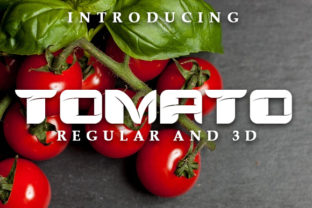
Tomato comes in two versions: regular and 3D. The regular version features clean, modern letterforms with subtle curves and sharp angles that give it a dynamic feel. The 3D variant adds depth and dimension, making it ideal for headlines, posters, and other large-scale designs where impact is key. This dual approach allows designers to choose the right style based on the project's needs and aesthetic goals.
One of the most notable aspects of Tomato is its versatility. It works well across a wide range of design applications, from digital media to print. Its legibility at larger sizes makes it perfect for headlines, while its strong presence ensures it stands out without overwhelming the viewer. This balance between style and readability is crucial for effective communication in any design context.
Key Characteristics and Practical Value
Tomato is designed with a focus on clarity and expressiveness. Each letterform is carefully crafted to maintain consistency in weight and proportion, ensuring that text remains readable even when used creatively. The font’s unique shapes allow for expressive typography without sacrificing functionality.
Another strength of Tomato is its adaptability. It can be used in both minimalist and maximalist designs, depending on how it's applied. For example, the regular version might be suitable for a sleek, modern brand identity, while the 3D variant could enhance the visual appeal of a promotional poster or event banner.
Designers who value flexibility will appreciate how Tomato integrates into various design workflows. It pairs well with both serif and sans-serif fonts, making it easy to create cohesive typographic hierarchies. Its ability to complement other typefaces without clashing is a significant advantage in multi-font layouts.
Real-World Applications and Performance
In practice, Tomato performs exceptionally well in branding projects. Its bold appearance helps establish a strong visual identity, which is essential for logos and business cards. When used as a headline font, Tomato commands attention and reinforces the message being conveyed.
For wedding designs and invitations, Tomato adds a touch of personality and elegance. The 3D version can create a sense of luxury and sophistication, making it ideal for special occasion materials. Similarly, in label design, Tomato’s distinctiveness ensures that product names and descriptions are easily noticeable and memorable.
Freelancers and small business owners may find Tomato particularly useful for creating marketing materials that stand out from the competition. Its unique character helps differentiate a brand visually, which can be especially important in crowded markets.
Who Benefits Most from Tomato?
Professionals in graphic design, marketing, and branding will find Tomato to be a valuable asset. Its ability to convey energy and creativity makes it a great fit for agencies and studios working on client projects that require a distinctive visual style.
Entrepreneurs and small business owners can use Tomato to craft compelling marketing collateral, from social media posts to packaging designs. Its versatility ensures that it can be adapted to suit different industries and niches, whether it's for a tech startup or a boutique fashion brand.
Educators and publishers may also benefit from using Tomato in educational materials or publications. Its clear, expressive nature can help draw attention to important information or titles, enhancing the overall readability of the content.
Professional Observations and Recommendations
From a professional standpoint, Tomato is a reliable choice for designers who want to inject personality into their work without compromising on quality. Its clean lines and structured forms make it suitable for both traditional and contemporary design approaches.
However, it's worth noting that Tomato may not be the best option for body text due to its display-oriented nature. It is most effective when used sparingly for emphasis, such as in headlines, subheadings, or callout boxes. Overuse can lead to visual fatigue and reduce the effectiveness of the design.
When incorporating Tomato into a design project, it's important to consider the context and audience. For example, a tech company aiming for a modern, forward-thinking image might find Tomato to be an excellent match, while a more conservative brand may prefer a more conventional font.
Overall, Tomato is a well-crafted font that offers a unique blend of style and functionality. Its availability in both regular and 3D versions provides designers with creative options that can enhance the visual appeal of their projects. Whether you're working on branding, promotional materials, or personal projects, Tomato is a font worth considering for its versatility and impact.
Final Thoughts on Tomato
In conclusion, Tomato is a display font that stands out for its distinctive character and practicality. It offers a fresh take on typography that can elevate a wide range of design projects. Its availability in two versions ensures that it can be tailored to meet specific design needs, making it a flexible choice for professionals and hobbyists alike.
If you're looking for a font that combines style with usability, Tomato is definitely worth exploring. It can help bring your designs to life with a bold, expressive presence that leaves a lasting impression. As with any design tool, it's important to use Tomato thoughtfully and strategically to achieve the best results.