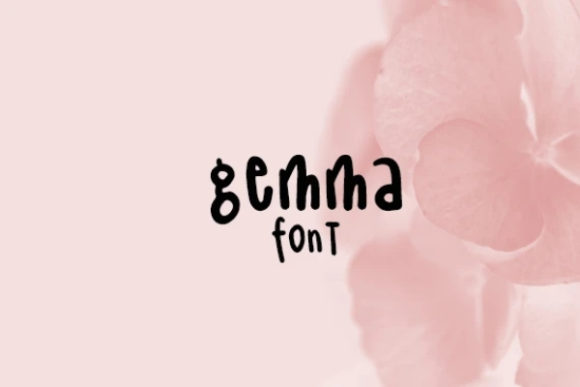
Gemma Font: A Versatile Choice for Modern Design Projects
Gemma is a bold display font designed to make any design project stand out with its unique character and approachable charm. As a typeface, it combines readability with visual appeal, making it a popular choice among designers looking for something that balances style with practicality. Whether you're creating a logo, branding materials, or social media content, Gemma offers a distinct look that can enhance your message without overwhelming the viewer.
What Is Gemma?
Gemma is a sans-serif display font that features clean lines and a slightly rounded form, giving it a friendly and approachable appearance. Its bold weight makes it ideal for headlines, titles, and other prominent text elements, while its legibility ensures that it remains readable even at smaller sizes. The font's casual charm adds a sense of warmth to designs, making it suitable for a wide range of creative applications.
The versatility of Gemma lies in its ability to work well across different mediums and platforms. From digital interfaces to print-based projects, it maintains a consistent aesthetic that complements both modern and traditional design styles. This adaptability is one of the key reasons why many designers choose Gemma for their projects.
Why Consider Gemma?
If you're looking for a font that strikes a balance between professionalism and personality, Gemma could be an excellent fit. It’s particularly appealing for those who want to convey a sense of approachability without sacrificing visual impact. The font's bold nature ensures that it commands attention, while its readability keeps the message clear and easy to understand.
For designers working on branding projects, Gemma offers a strong foundation for creating logos and identity systems that feel both contemporary and trustworthy. Its clean lines and friendly curves help establish a brand voice that is welcoming and relatable. Additionally, its compatibility with various design tools and platforms makes it accessible for both beginners and professionals alike.
Benefits of Using Gemma
- Versatility: Gemma can be used in a variety of contexts, from web design to print, making it a valuable asset in any designer's toolkit.
- Readability: Despite its bold appearance, Gemma remains highly legible, which is essential for ensuring that your message is clearly communicated.
- Approachable Aesthetic: The font's casual charm helps create a warm and inviting atmosphere, which can be especially beneficial for brands targeting younger or more informal audiences.
- Design Flexibility: Gemma pairs well with a range of other fonts, allowing for creative combinations that can enhance the overall visual appeal of a design.
Considerations and Tradeoffs
While Gemma has many strengths, there are also some factors to consider before deciding to use it in your project. One potential drawback is that its bold weight may not be suitable for all design scenarios. For example, if you're working on a document that requires a lot of body text, a more traditional serif or sans-serif font might be a better choice.
Additionally, because Gemma is primarily a display font, it may not be the best option for long-form text. Designers should ensure that they are using it appropriately by reserving it for headings, titles, and other short text elements where its visual impact can be fully appreciated.
Another consideration is the availability of different weights and styles. While Gemma is available in several variations, including regular, bold, and italic, it's important to check whether these options are sufficient for your specific needs. If you require a wider range of typographic options, you may need to explore alternative fonts that offer more extensive styling capabilities.
Situations Where Gemma Excels
Gemma is particularly well-suited for projects where a bold yet approachable font is needed. Some of the most common applications include:
- Logos and Branding: Gemma's distinctive look makes it an excellent choice for creating logos that stand out while maintaining a friendly and professional image.
- Social Media Graphics: The font's readability and visual appeal make it ideal for designing eye-catching posts, banners, and promotional materials for social media platforms.
- Crafty DIY Projects: Whether you're creating handmade cards, custom labels, or decorative signs, Gemma adds a touch of personality that enhances the overall design.
- Headlines and Titles: In both digital and print formats, Gemma works well as a headline font, drawing attention to key messages without being overwhelming.
When to Explore Alternatives
While Gemma is a great choice for many design projects, there may be situations where another font would be more appropriate. For instance, if you're working on a formal document or a corporate report, a more traditional serif font like Times New Roman or Georgia might be a better fit. These fonts tend to convey a sense of authority and professionalism that aligns with the tone of such documents.
Similarly, if you're designing a website that requires a lot of body text, a more readable sans-serif font like Arial or Helvetica could be a better option. These fonts are optimized for long-form reading and provide a cleaner, more streamlined appearance.
It's also worth considering the audience you're targeting. If your design is intended for a more mature or formal demographic, you may want to opt for a font that reflects that tone rather than one that feels more casual or playful.
Practical Decision-Making Insights
When evaluating whether Gemma is the right font for your project, it's important to consider the overall design goals and the message you want to convey. Ask yourself questions like:
- Does Gemma align with the brand's personality and values?
- Will it be used for headings, body text, or both?
- How will it interact with other design elements, such as colors, images, and layout?
- Is it compatible with the platforms and tools I'm using?
By carefully considering these factors, you can make an informed decision about whether Gemma is the best choice for your project. Ultimately, the goal is to select a font that enhances the visual appeal of your design while effectively communicating your message to your target audience.