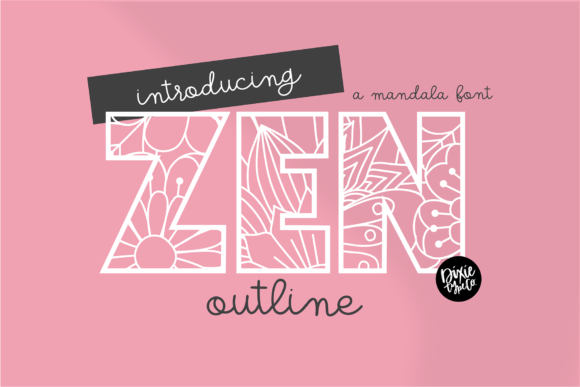
Zen Font: A Beautiful Display Font with Mandala-Themed Characters for Creative Projects
Zen is more than just a font—it's an artistic expression that brings a sense of calm and creativity to any design. With its mandala-themed characters, Zen offers a unique aesthetic that can elevate the visual appeal of your projects, whether you're designing logos, creating invitations, or personalizing digital content. However, many creators overlook important details when choosing and using this font, which can affect the final outcome. Let’s explore what Zen is, why it stands out, and how to use it effectively in your crafting projects.
What Is Zen and Why It Stands Out
Zen is a display font known for its elegant curves and intricate mandala-inspired designs. Each character is crafted to reflect symmetry, balance, and spiritual harmony, making it ideal for projects that require a personalized and artistic touch. Unlike standard fonts, Zen adds a layer of meaning and visual interest through its unique glyphs, which are inspired by traditional mandalas used in meditation and art.
Designers and creatives often choose Zen for its ability to convey a sense of mindfulness and tranquility. Whether you're working on a branding project, a greeting card, or a website header, Zen can help you create something that feels both modern and meaningful.
Common Mistakes When Using Zen
While Zen is visually appealing, there are common mistakes that can hinder its effectiveness. One of the most frequent errors is using it inappropriately for body text. Because it’s a display font, it may be too ornate for long paragraphs or small text sizes. This can lead to readability issues and reduce the overall impact of your design.
Another mistake is not considering the spacing between characters. Zen's intricate designs can cause letters to appear cramped or misaligned if not properly spaced. Failing to adjust kerning or letter spacing can make your text look cluttered and unprofessional.
Many users also neglect to check compatibility across different platforms and devices. Zen might render differently on various screens or operating systems, especially if the font isn't embedded correctly. This can result in inconsistencies in how your design appears to your audience.
How These Mistakes Affect Your Work
Using Zen incorrectly can have several negative effects. Poor readability due to inappropriate font size or spacing can frustrate viewers and make your message harder to understand. Inconsistent rendering across devices can damage your brand’s professionalism and credibility. Additionally, using a font that doesn’t match the tone of your project can confuse your audience and dilute your intended message.
For example, imagine using Zen for a technical document or a business report. The font’s artistic flair might clash with the formal nature of the content, making it seem unprofessional. On the other hand, using a simple sans-serif font for a creative project could feel dull and uninspiring.
Practical Tips for Using Zen Effectively
To avoid these pitfalls, start by using Zen only for headings, titles, or short phrases where its decorative style can shine. Reserve simpler fonts for body text to ensure readability. Always test your design on multiple devices and screen sizes to ensure consistency. If possible, embed the font or convert it to web-safe formats to maintain quality across all platforms.
When adjusting spacing, take time to fine-tune the kerning between characters. Most design software includes tools to help with this, so don’t skip this step. You can also experiment with different weights or styles of Zen to find the one that best fits your project’s needs.
Consider pairing Zen with complementary fonts that enhance its visual appeal without overpowering it. For instance, a clean sans-serif font like Helvetica or Arial can provide a nice contrast to Zen’s intricate designs, creating a balanced and professional look.
What to Check Before Using Zen
Before incorporating Zen into your project, make sure to review its licensing terms. Some fonts require attribution or have restrictions on commercial use. Always verify that you’re allowed to use Zen in the context of your project.
Additionally, check the font file format and ensure it’s compatible with your design software. Common formats include TTF (TrueType Font), OTF (OpenType Font), and WOFF (Web Open Font Format). Choosing the right format will help prevent rendering issues and ensure your design looks as intended.
Lastly, consider the emotional impact of Zen. Since it’s inspired by mandalas, it carries a sense of peace and focus. Use it in projects that align with these themes, such as wellness brands, meditation apps, or creative portfolios focused on mindfulness.
Realistic Examples of Zen in Action
If you’re designing a yoga studio logo, Zen can add a calming and spiritual vibe that resonates with your target audience. Pair it with soft colors like pastel greens or warm oranges to reinforce the theme. Avoid overcomplicating the design—let the font speak for itself.
For a wedding invitation, Zen can create a unique and memorable look. Use it for the main title and pair it with a serif font for the rest of the text. This combination ensures legibility while adding a touch of elegance and personalization.
In a blog post about mindfulness, Zen can serve as the heading font, drawing attention to the content while reinforcing the article’s theme. Make sure the rest of the text uses a readable font to maintain clarity and flow.
Conclusion
Zen is a powerful tool for creators who want to add a unique and artistic touch to their work. By understanding its strengths and limitations, you can use it effectively to enhance your projects without falling into common traps. Always prioritize readability, compatibility, and alignment with your project’s goals. With careful planning and thoughtful execution, Zen can transform your designs into something truly special.